Best Plug-In Solar Microinverters
How to compare microinverters for plug-in, balcony, patio, and small DIY solar systems without ignoring export control or local rules.
The short version
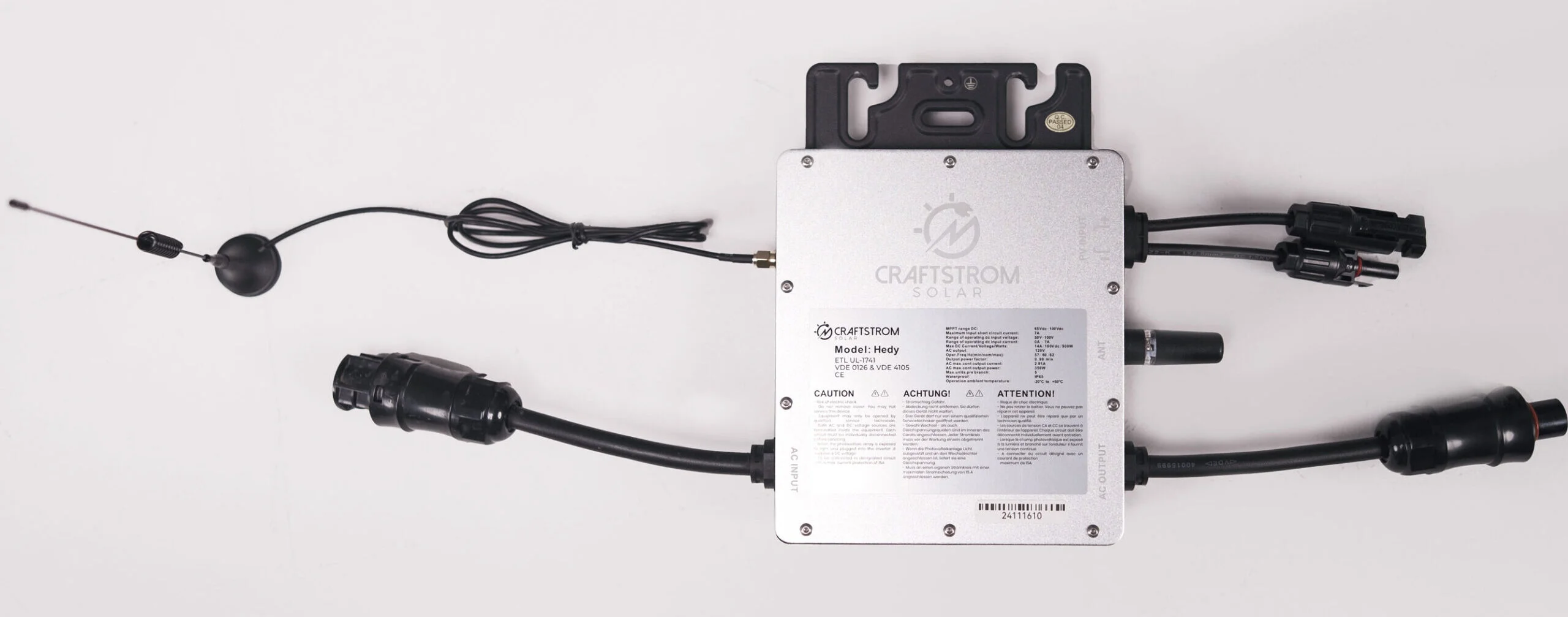
A microinverter is the heart of a plug-in solar system. It determines AC output, grid synchronization, monitoring, and often whether a smart meter can command output reduction.
Do not choose only by wattage. Choose by the complete ecosystem: panel input range, app support, export-control meter, certification, and the legal pathway in your state.
Minimum checks
- Panel Voc/Vmp/Isc/Imp fit within inverter limits.
- AC output stays within local plug-in limits.
- Monitoring works reliably after setup.
- Zero-export control is documented if export is restricted.
- Datasheet and installation guidance are available.
Comparison framework
| Factor | Why it matters | What to look for |
|---|---|---|
| AC output | Can exceed state or circuit limits. | 800 W, 900 W, or 1200 W-class output with clear product documentation. |
| PV input | Panels must stay inside MPPT voltage/current limits. | MPPT range, max input voltage, current per input, number of inputs. |
| Meter integration | Needed for load matching or zero export. | Named compatible meter/CT product, not generic monitoring-only language. |
| App/monitoring | Helps troubleshoot and verify production. | Wi‑Fi/Bluetooth app, power limiting, firmware support. |
| Legal fit | Technical ability does not equal permission to plug in. | State-specific plug-in status plus product listing and installation requirements. |
When APsystems-style ecosystems make sense
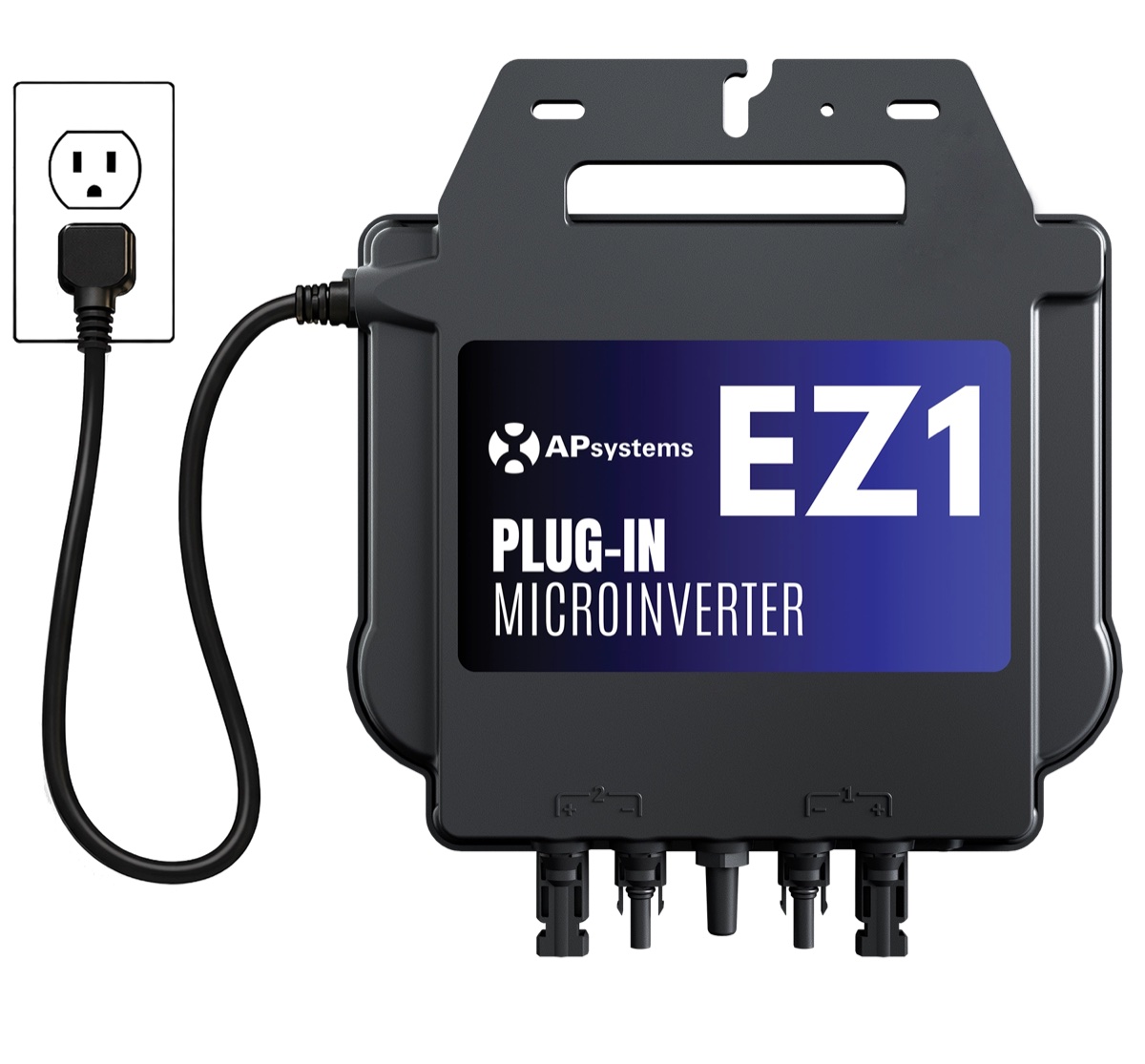
Use when the EZ1/APmeter style ecosystem, output class, and local rules fit your installation. The advantage is a named meter/control pathway rather than a mystery pairing.
When NEP-style ecosystems make sense
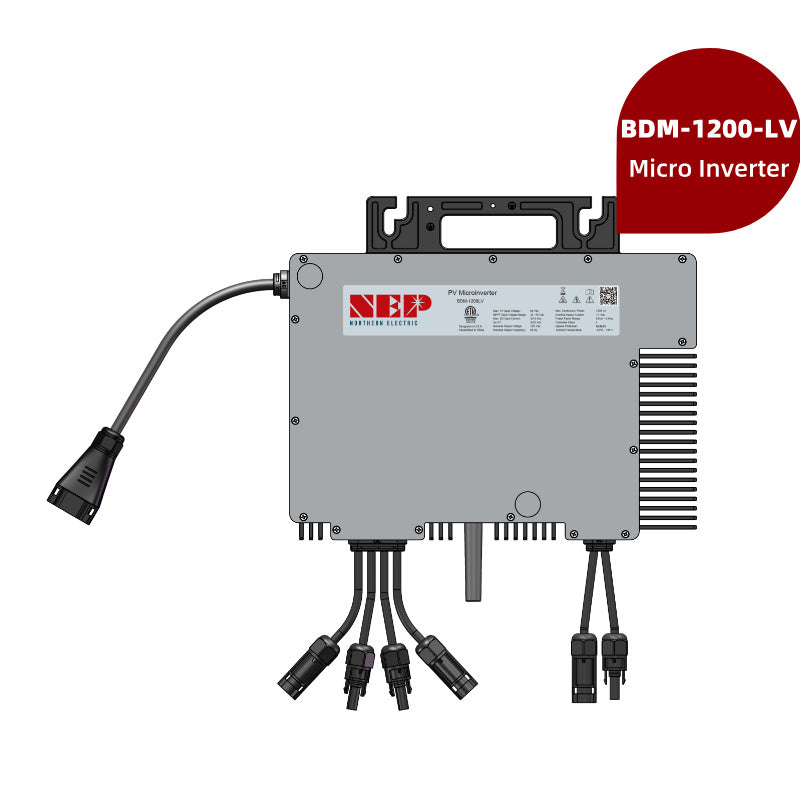
Use when a 120 V plug-in microinverter and matching export-control meter align with the system design and seller/manufacturer documentation.
Compare microinverters Read APsystems vs NEP