Comparison
APsystems EZ1 vs NEP Liberty
A side-by-side buying guide for two plug-in/balcony microinverter ecosystems, focused on output class, monitoring, export control, and system fit.
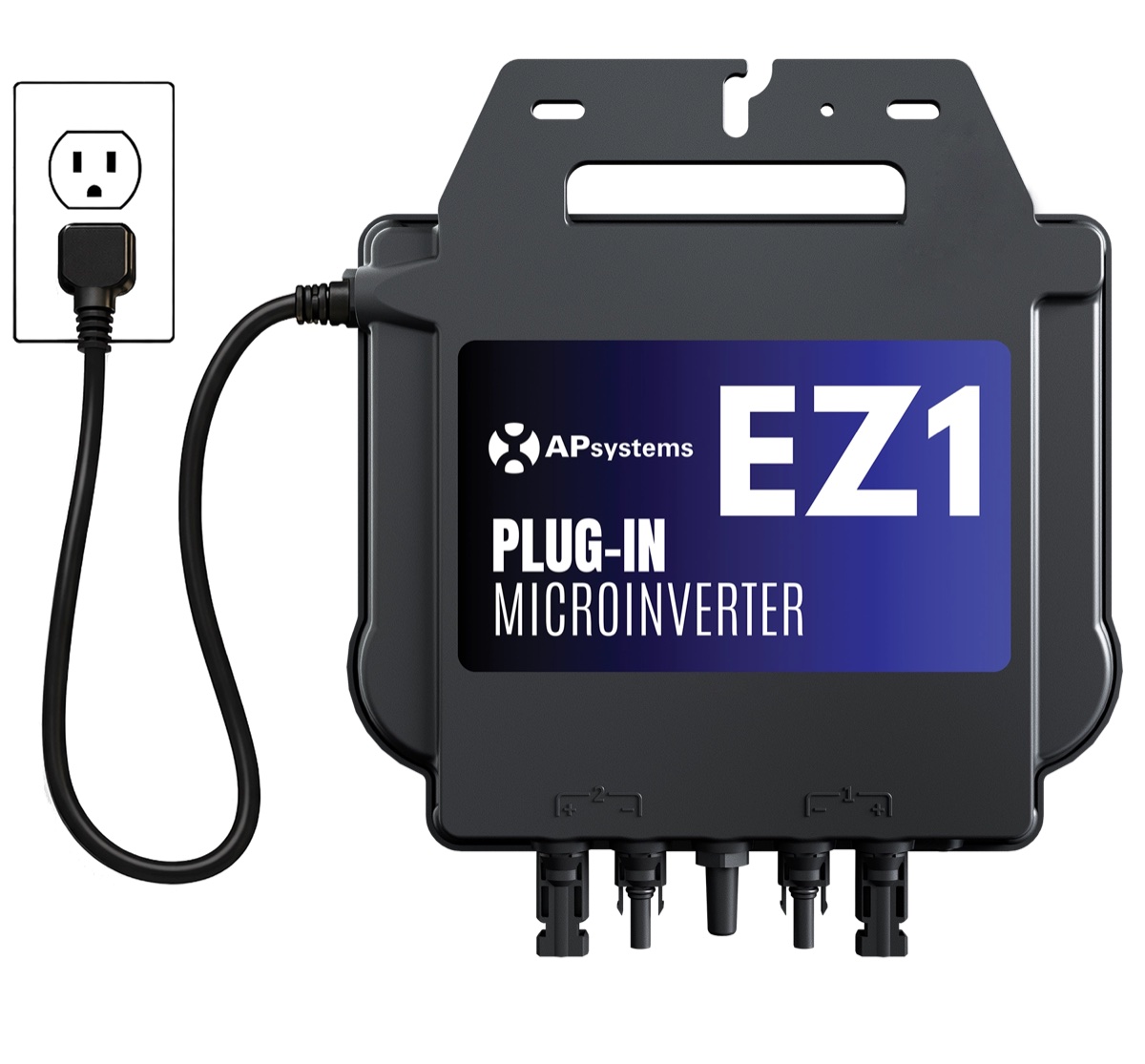
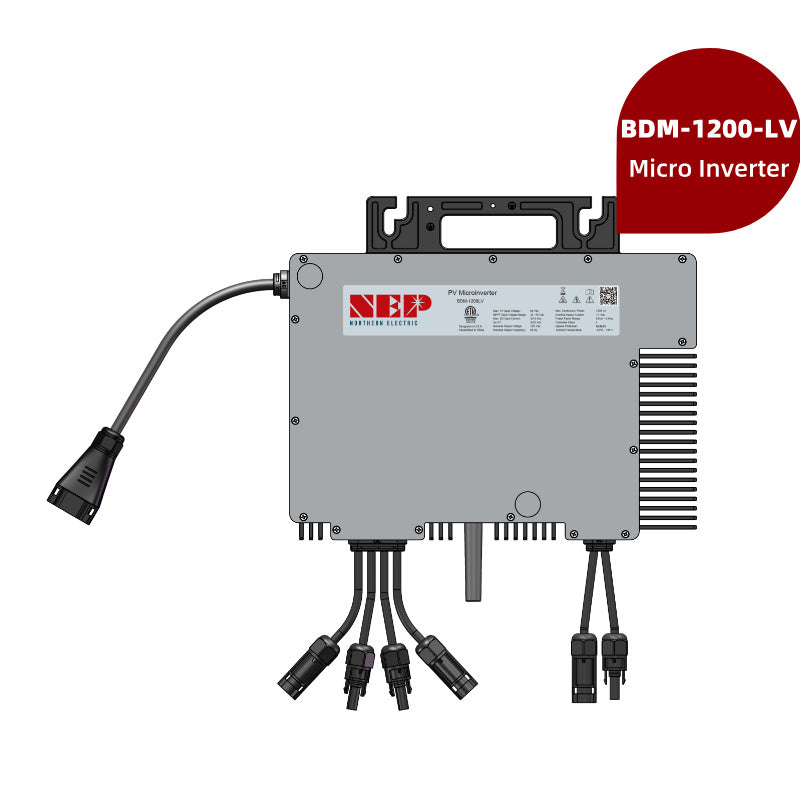
| Category | APsystems EZ1 ecosystem | NEP Liberty ecosystem |
|---|---|---|
| Best fit | Buyers who want an EZ1/AP EasyPower/APmeter style ecosystem. | Buyers evaluating a 120 V plug-in microinverter with matching NEP export-control meter. |
| Output class | 900 W-class maximum continuous output per APsystems consumer FAQ references. | 1200 W continuous output at 120 V AC per current retailer/manufacturer references. |
| Monitoring | AP EasyPower app ecosystem. | NEPViewer app / Wi‑Fi/Bluetooth monitoring references. |
| Zero export | APmeter/EZ1 zero-export control pathway. | BDNZ-WiFi-2 smart meter/export controller pathway. |
| Main caution | Verify local plug-in pathway, output limit, circuit, and exact accessory support. | Verify product availability, documentation, meter pairing, and local acceptance. |
APsystems strengths
- Well-known microinverter company.
- Clear consumer-facing EZ1 positioning.
- Named APmeter export-control accessory.
- Good fit where 900 W-class output is enough.
NEP strengths
- 120 V plug-in inverter positioning.
- Higher 1200 W class may fit some state caps.
- Named export-control accessory.
- Retailer ecosystem may simplify sourcing.
Bottom line: APsystems may be the cleaner conservative choice where 900 W is enough and APmeter support is accepted. NEP may be attractive where 1200 W is allowed and the Liberty + BDNZ meter pairing is documented for the install.
Reminder: Product details, pricing, availability, and legal acceptance can change. Verify current manufacturer documentation, local rules, utility requirements, and installer/electrician guidance before buying or connecting equipment.