Solar Panels
For plug-in systems, the cheapest path is often buying used, surplus, or locally resold panels. Local pallet resellers can beat online pricing because shipping one or two panels is expensive.
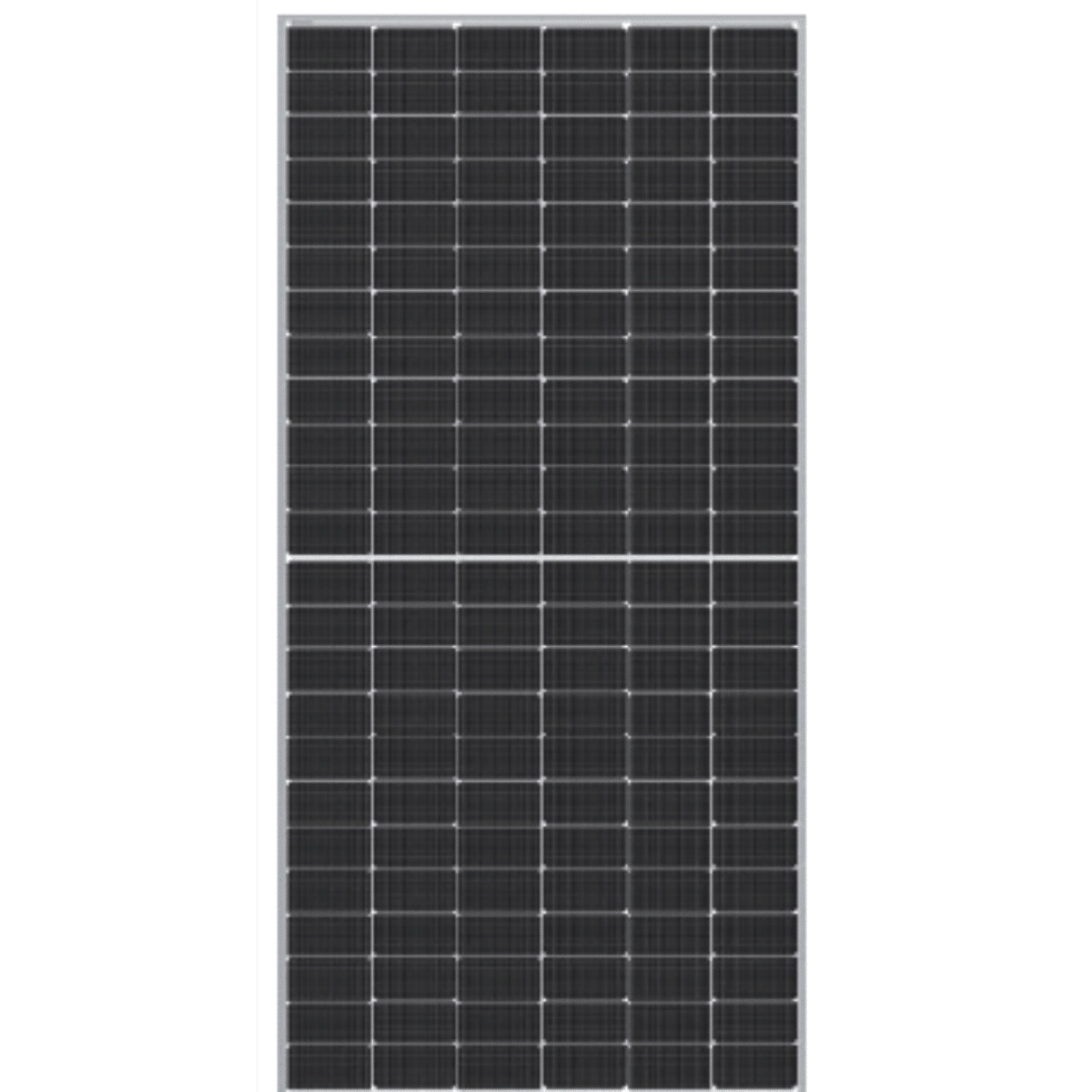
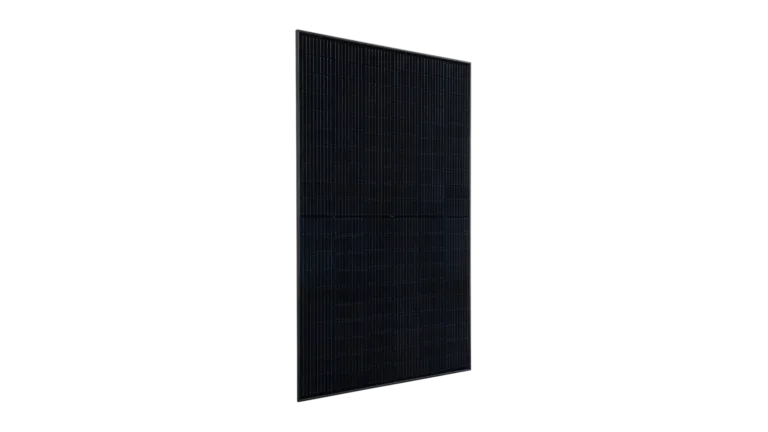
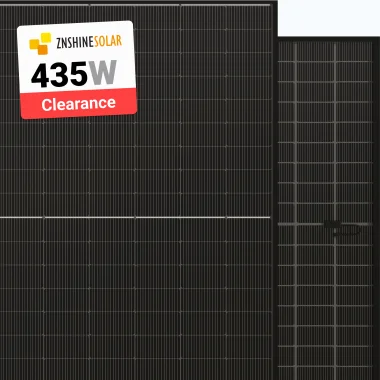
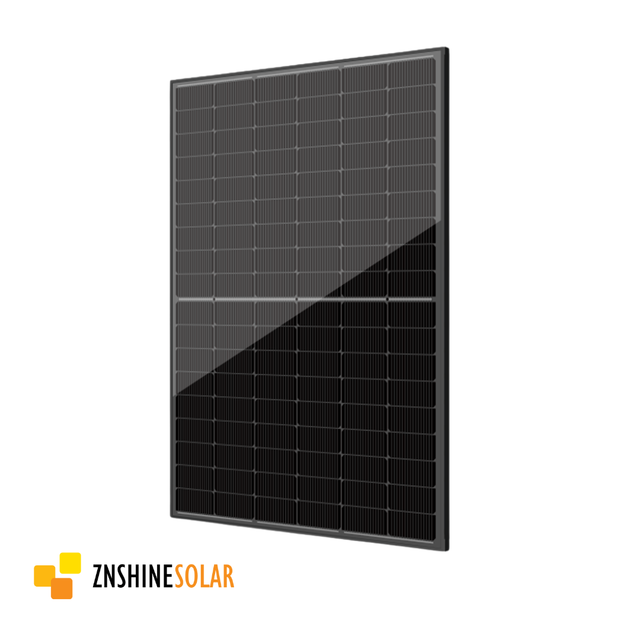
What they do
Solar panels produce DC power. In a plug-in solar setup, panels must be electrically matched to the microinverter or battery MPPT input so voltage and current stay inside rated limits.
Panel choice affects production, mounting weight, wind load, connector fit, and the number of panels needed to reach a useful system size.
What to check
Electrical label: wattage, Voc, Vmp, Isc, Imp, fuse rating, and certifications.
Physical fit: dimensions, frame condition, weight, and mount compatibility.
Condition: avoid cracked glass, delamination, burn marks, water intrusion, damaged junction boxes, and cut cables.
Buying locally
Check Facebook Marketplace, Craigslist, local installers, surplus resellers, and pallet buyers. Local pickup may avoid freight fees, residential delivery charges, minimum order quantities, and damage risk.
Inspection tips
- Read the rear label: wattage, Voc, Vmp, Isc, Imp, fuse rating, certifications.
- Inspect glass, frame, corners, backsheet, junction box, and connectors.
- Avoid panels with delamination, burn marks, cracked glass, water intrusion, or cut cables.
- Confirm voltage/current are within inverter MPPT limits.
Compatibility guidance
Most modern panels use MC4-style connectors, but verify polarity and connector brand compatibility. Match panel voltage/current to the microinverter or battery MPPT input. Do not exceed maximum DC input voltage in cold conditions.
Used panels can be excellent financially, but they may have reduced output, shorter remaining warranty, or unknown handling history.