Comparison
EcoFlow STREAM vs Zendure SolarFlow
A practical comparison of two storage-first plug-in solar ecosystems: battery capacity, app control, meters/CTs, SKU clarity, and buyer fit.
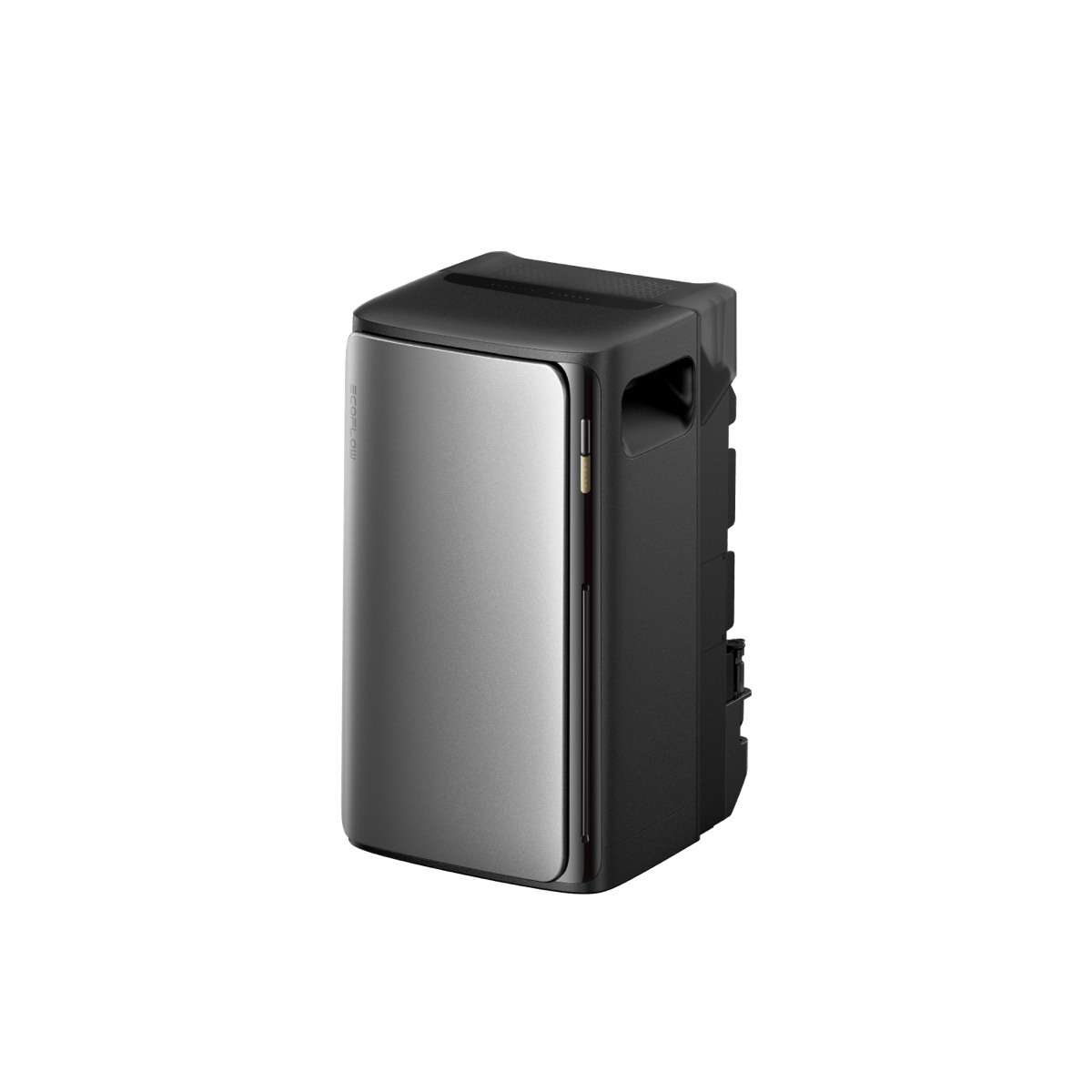
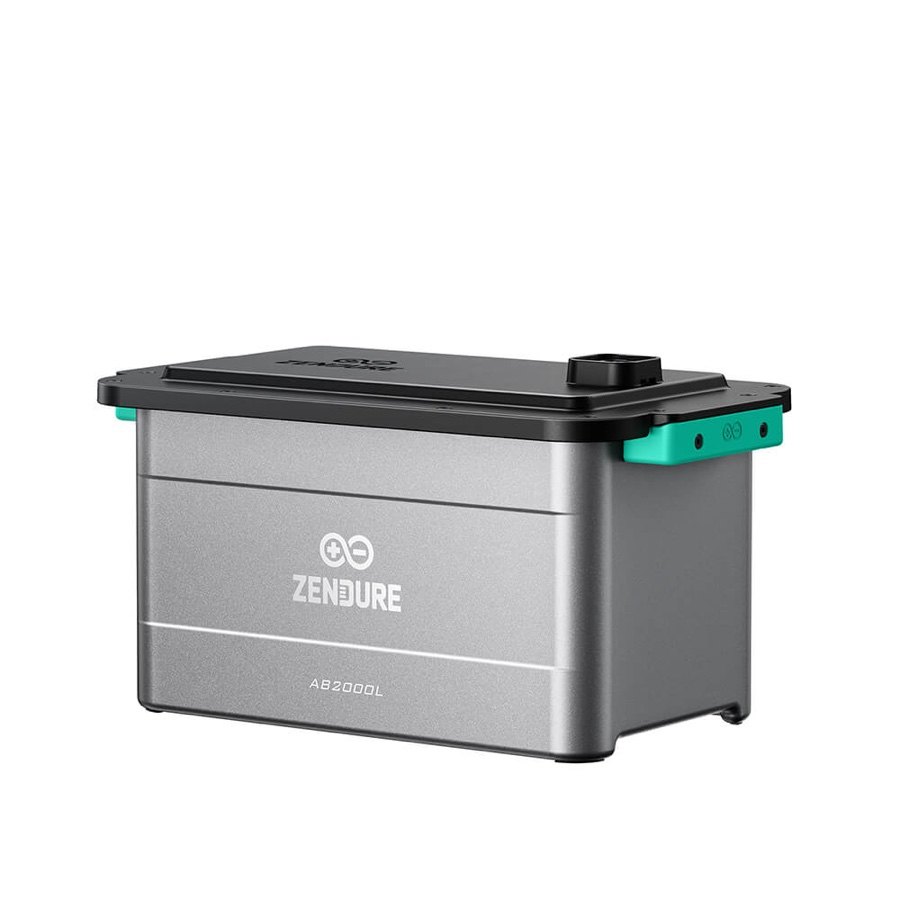
| Category | EcoFlow STREAM | Zendure SolarFlow |
|---|---|---|
| Best fit | Buyers who want a U.S.-visible STREAM ecosystem with microinverter integration and app control. | Buyers focused on SolarFlow storage bundles and Smart Meter CT/self-consumption behavior. |
| Battery role | Storage and TOU shifting inside the STREAM ecosystem. | Storage-first system with AB2000S-class expansion options depending on kit. |
| Meter/control | EcoFlow-compatible smart-meter/load-matching features where supported. | Smart Meter CT / Smart CT mode references for anti-backfeed/self-consumption. |
| Buyer risk | Verify exact bundle contents, meter requirements, and state acceptance. | Verify U.S. SKU, certification, and exact kit configuration before relying on features. |
| Who should shortlist it? | People who value integrated app ecosystem and product-page clarity. | People who value storage-forward configurations and CT-based control features. |
Choose EcoFlow when…
- You want the STREAM Microinverter + battery ecosystem.
- You value U.S. product pages and clear bundle options.
- You want a mainstream brand with strong consumer support infrastructure.
- You can verify the required meter/control setup for your location.
Choose Zendure when…
- You are specifically comparing SolarFlow storage bundles.
- Smart Meter CT / anti-backfeed behavior is central to your use case.
- You are comfortable verifying the exact U.S. SKU and kit contents.
- You want modular storage options inside the Zendure ecosystem.
Bottom line: both should be evaluated as complete ecosystems, not interchangeable batteries. The right choice depends on exact SKU, local plug-in legality, meter/export-control behavior, and whether the included hardware matches your installation.
Compare packages Compare batteries
Reminder: Product details, pricing, availability, and legal acceptance can change. Verify current manufacturer documentation, local rules, utility requirements, and installer/electrician guidance before buying or connecting equipment.