Best Small Solar Panel Racking
How to choose racking for one to three panels without underestimating wind, ballast, roof, or structural risk.
The short version
Racking is not just a convenience accessory. Solar panels are large wind-catching surfaces. A bad mount can turn a panel into a projectile, damage property, or create liability.
The best racking choice depends on where the panel sits: balcony, railing, patio, yard, flat surface, or roof. Each has different risk and cost.
Choose by site type
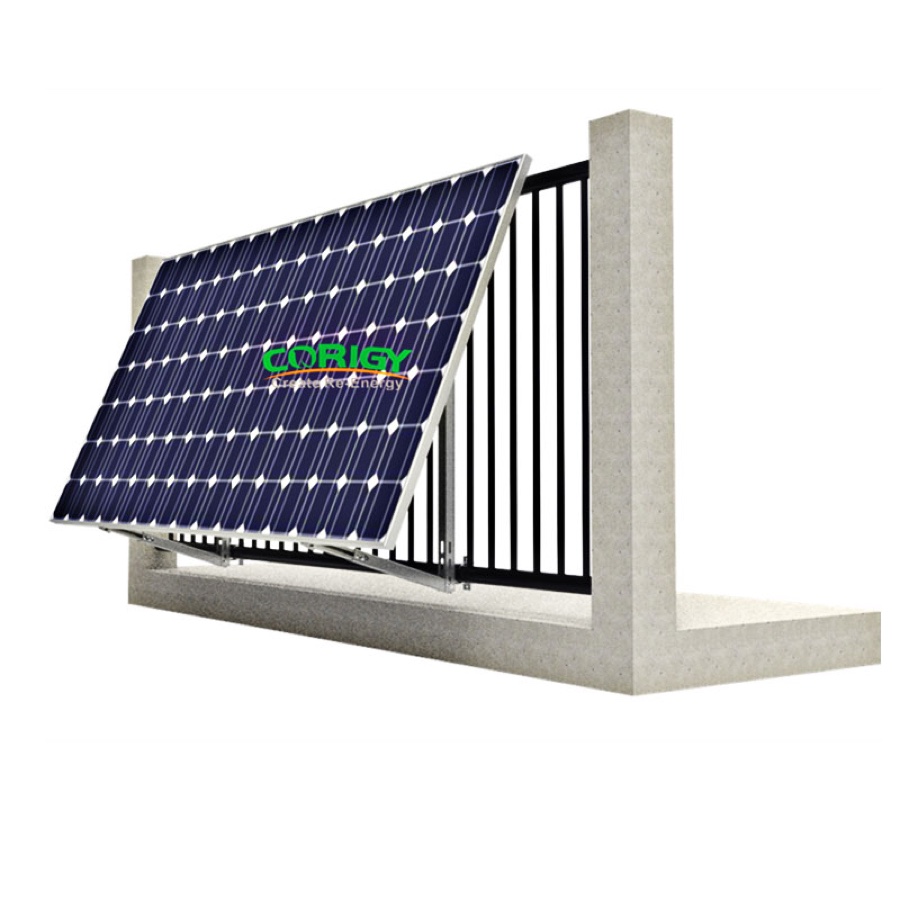
- Balcony: railing strength, lease/HOA rules, wind, and ballast.
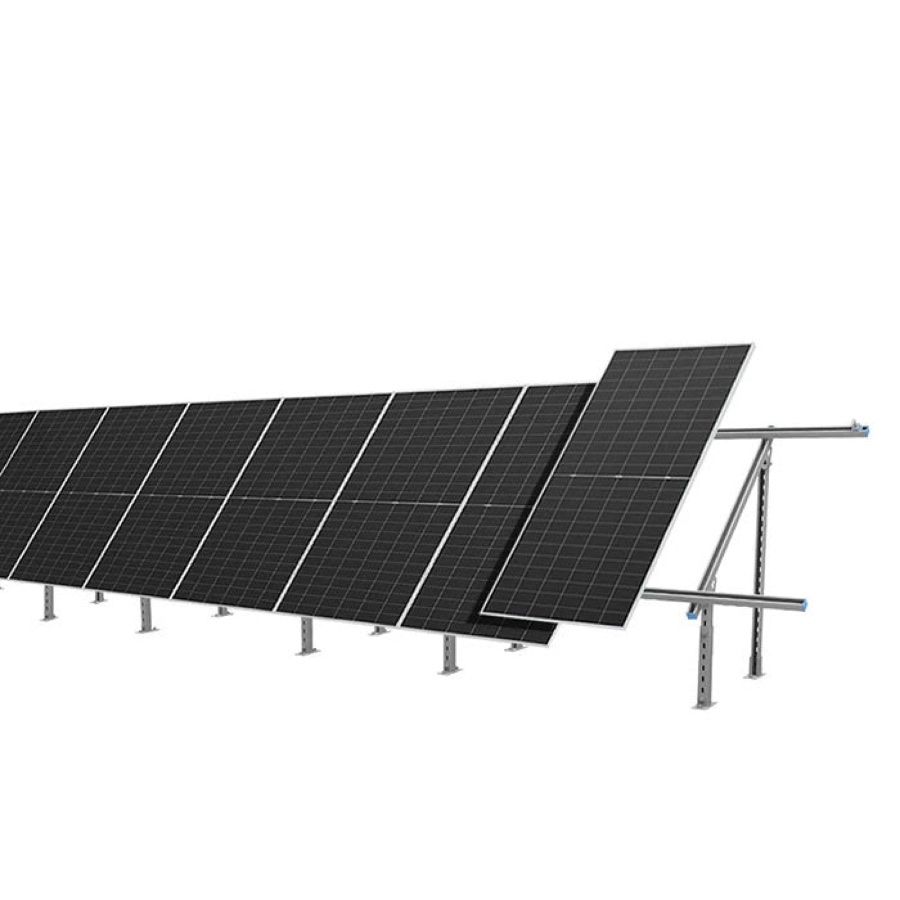
- Ground: anchoring, tilt, mowing/traffic, and theft risk.
- Ballasted: enough weight for wind without overloading the surface.
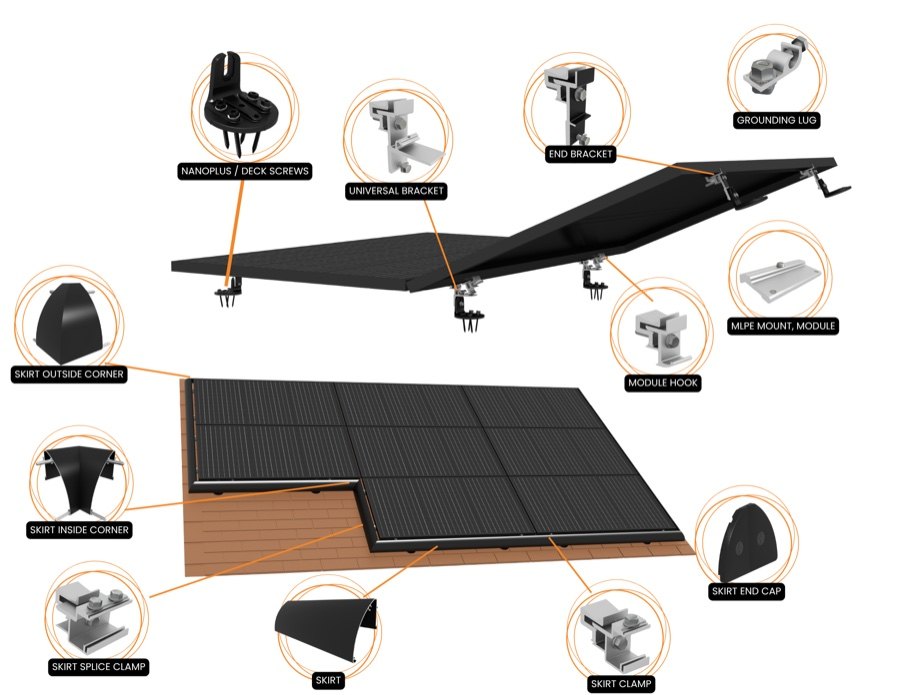
- Roof: flashing, structure, fall risk, permits, and professional install.
Good small-system racking
- Has manufacturer instructions and rated hardware.
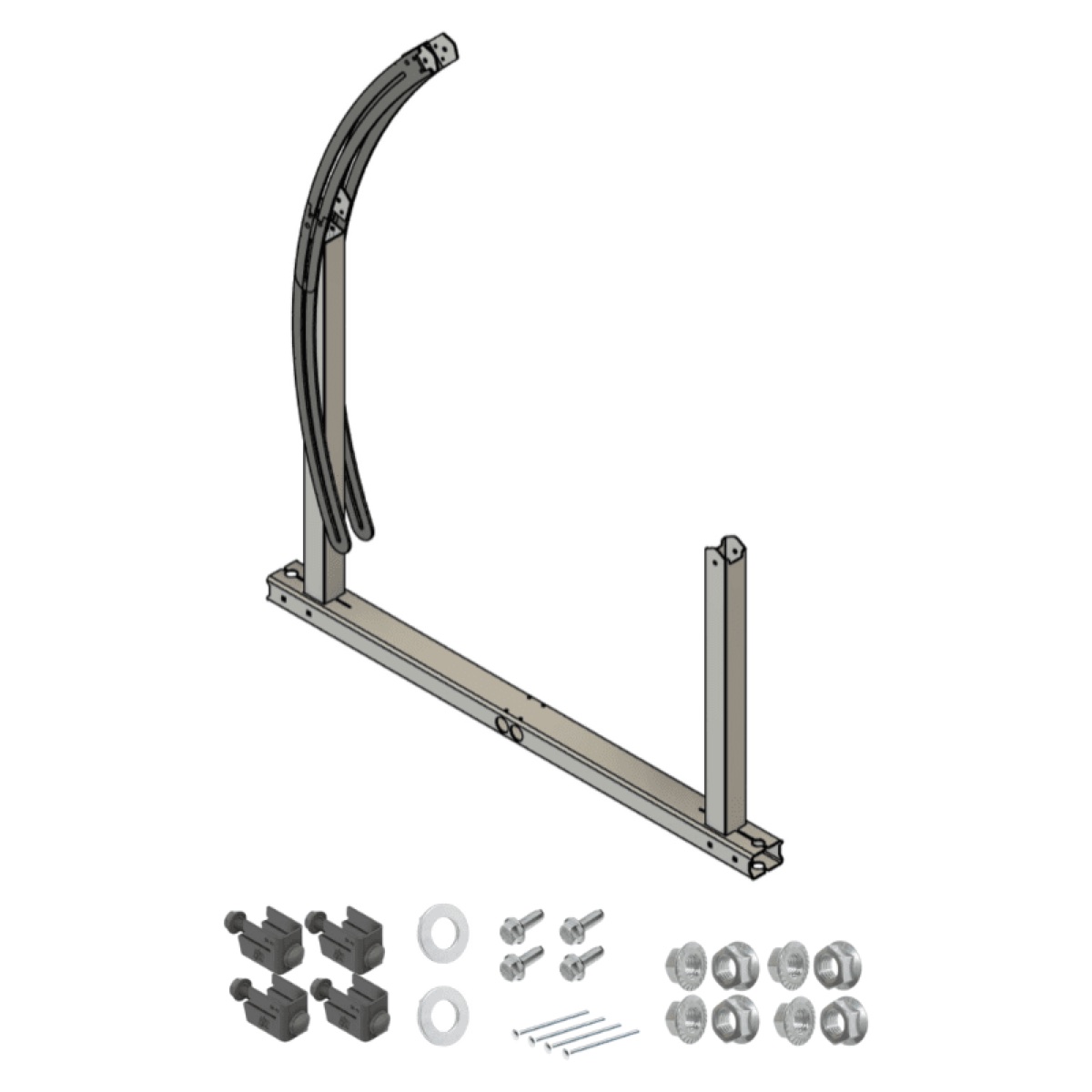
- Matches the panel frame dimensions and clamp zones.
- Can be anchored or ballasted for local wind exposure.
- Does not create a water leak, trip hazard, or structural problem.
Bad small-system racking
- Improvised brackets with no wind plan.
- Zip ties, weak railing clamps, or unverified adhesive mounts.
- Panels placed where pedestrians, pets, or vehicles can hit them.
- Roof work done without fall protection or waterproofing expertise.
Roof mounts are included, but cautiously
Roof racking can be technically appropriate, but it often defeats the “simple and cheap” plug-in-solar idea because it may require permits, professional labor, fall protection, roof flashing, and structural review. That is why the racking table includes roof products with stronger warnings rather than treating them as the default.