Best Plug-In Solar Batteries
How to choose a small plug-in solar battery that actually fits the microinverter, meter, app, and legal constraints of a real system.
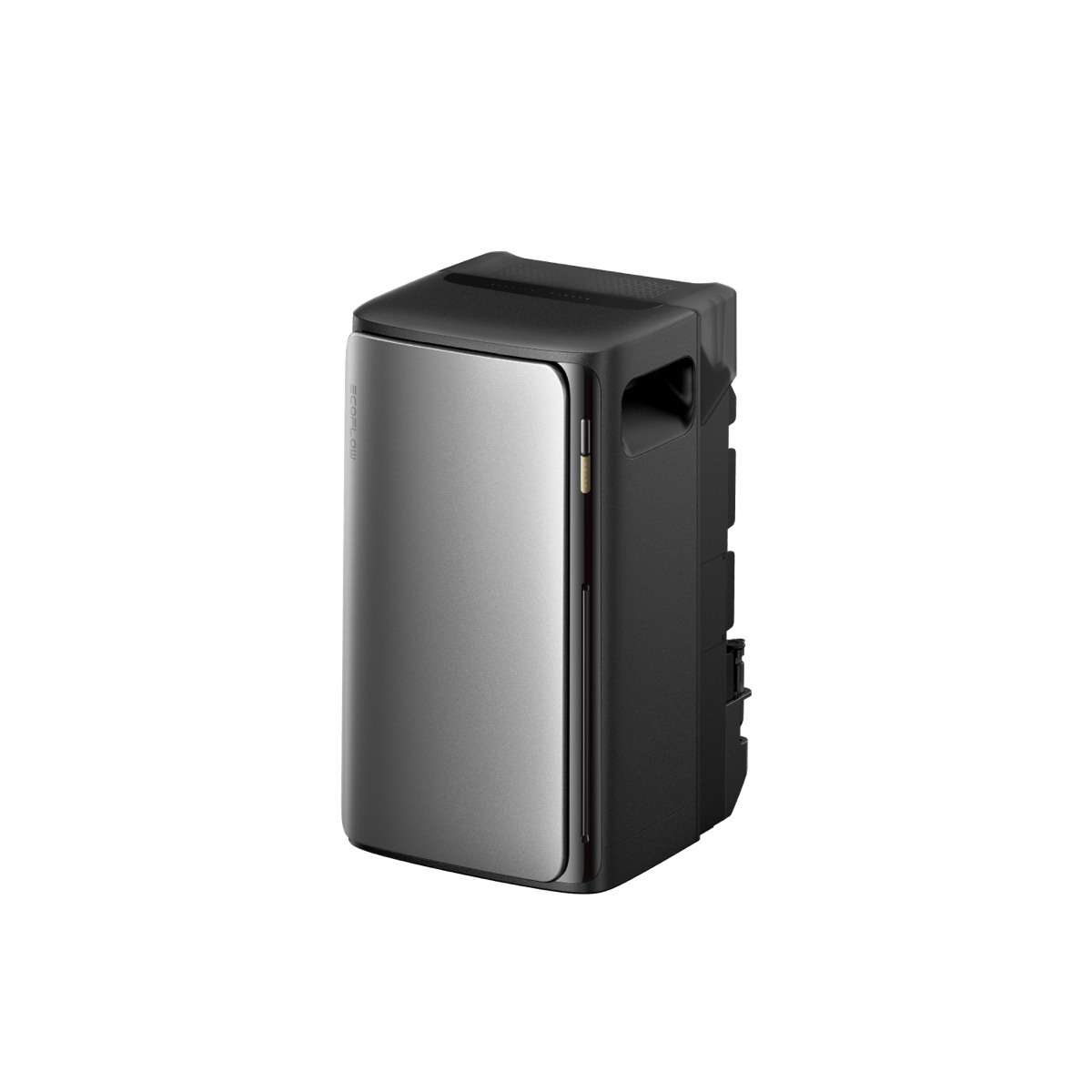
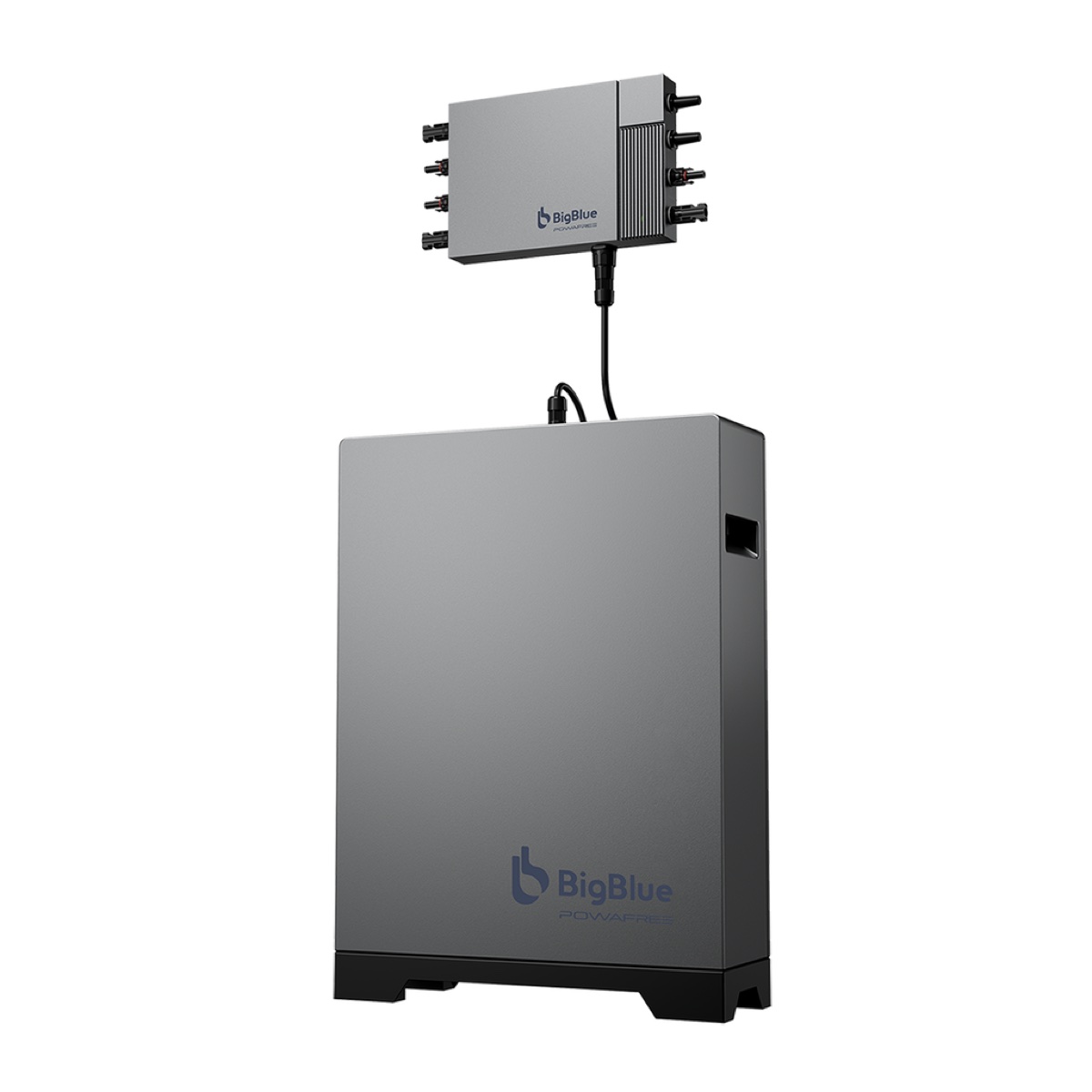
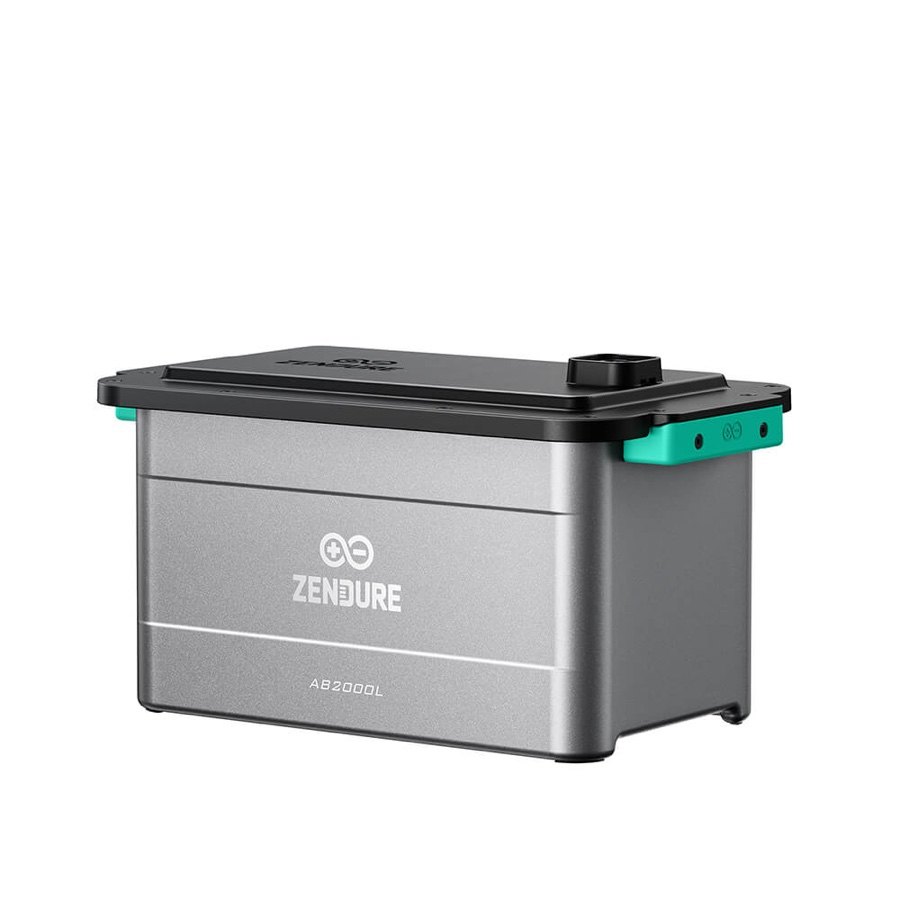
The short version
The best plug-in solar battery is usually not a standalone portable power station. It is a storage device designed to work inside a specific solar ecosystem — battery, microinverter or hub, meter/CT clamps, and app all need to cooperate.
The strongest candidates have documented solar input, app control, meter/load matching, and a clear way to prevent export where local rules require it.
What matters most
- Compatibility: confirmed ecosystem support beats generic claims.
- Export control: can the battery/meter reduce grid feed if needed?
- Useful capacity: 1–3 kWh is often the practical small-system range.
- TOU behavior: scheduling matters if evening rates are high.
- SKU clarity: region-specific products must be verified before buying.
Compare, then open product links
For storage-first shoppers, the clean path is: check your state, compare battery ecosystems, then open the product pages for the exact SKU. This helps ensure that product links match the system you are considering.
How to evaluate a plug-in battery
Enough storage to cover evening loads without overspending. A 1.9–2.6 kWh unit can be meaningful for lights, electronics, refrigeration cycling, or partial evening use.
Check PV input limits, MPPT count, max voltage, and max current. Do not exceed input voltage in cold weather.
Look for clear documentation on on-grid output, appliance output, backup mode, and whether the device can operate legally in your region.
Smart meters and CT clamps are what let a system respond to house load and avoid exporting when export is not allowed.
Good signs
- Official page names compatible microinverter/meter accessories.
- App supports self-consumption, TOU scheduling, or load matching.
- Warranty and certification are clear for the buyer’s region.
- System diagrams show how panels, battery, meter, and grid connection interact.
Red flags
- “Works with solar” but no microinverter/export-control documentation.
- EU balcony system sold into the U.S. without clear U.S. SKU/certification.
- Backup claims that imply whole-home islanding without isolation equipment.
- Only connector compatibility is shown, with no control or safety details.
Current shortlist
Start with the live comparison tables, then verify exact SKU, documentation, and local acceptance before buying.
Compare batteries Compare packages